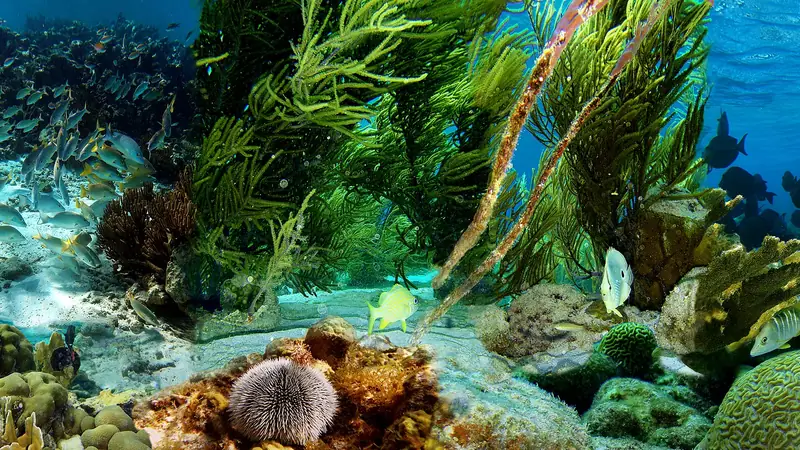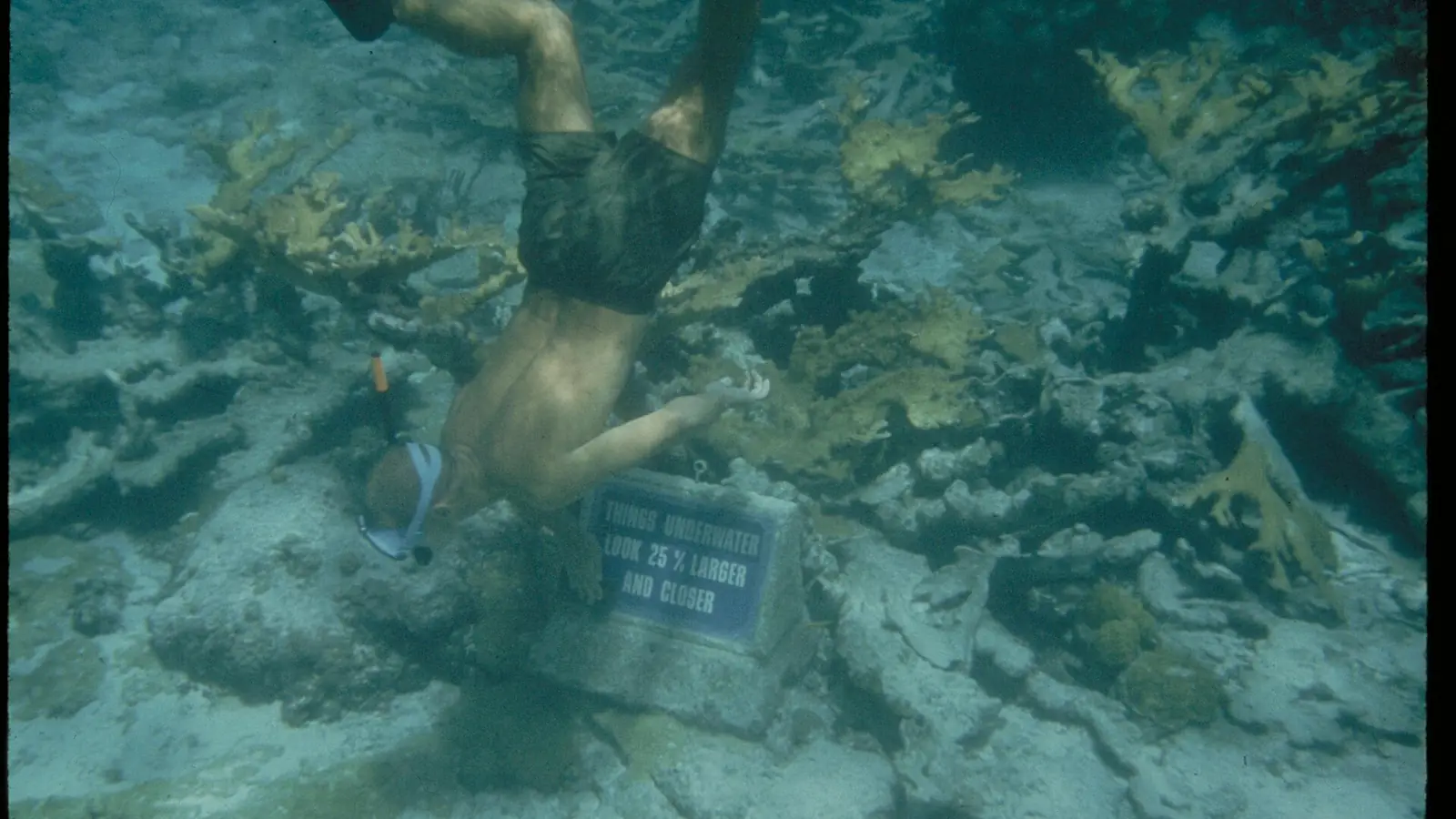
You can try scuba in Vietnam without any certificate. A try dive (often called Discover Scuba) takes you down to shallow depth with an instructor after a briefing and a practice session. To dive on your own you need a course such as Open Water, which usually takes a few days of theory, pool or shallow-water practice and open-water dives.
Our top pick: Nha Trang: Beginner Scuba Dive
Your options
Choosing a safe operator
- Check the operator’s certification with a recognised training agency and ask to see instructor cards.
- Look at the equipment: well-kept masks, regulators and BCDs, and a briefing before every dive.
- Ask about group size: smaller groups per guide are safer and more enjoyable.
- Read recent reviews that mention safety and briefings, not only price.
Flying after diving: Divers Alert Network recommends waiting at least 12 hours after a single no-decompression dive and at least 18 hours after multiple dives or multiple dive days. Plan your last dive day accordingly.
The easiest place to start
Nha Trang: Beginner Scuba Dive
No certification needed, instructor with you, hotel pickup. 4.8/5 from over 200 reviews.
Phu Quoc: snorkel first
Not ready for scuba? Start with a reef snorkel day. 4.8/5 from over 440 reviews.
Why book online
- Free cancellation on most tickets, usually up to 24 hours before
- Reserved time slot: no queue at the ticket desk
- Mobile ticket on your phone
- Reviews from verified travelers
Frequently asked questions
Do I need to be a strong swimmer to try diving?
You should be comfortable in water. Try dives stay shallow with an instructor beside you, but courses require basic swimming skills.
How long after diving can I fly?
Divers Alert Network (DAN) recommends at least 12 hours after a single no-decompression dive and at least 18 hours after multiple dives or multiple days of diving.
Some links are affiliate links: if you book through them we earn a small commission at no extra cost to you. It funds the research behind this site.